-
Govind Bhawan,Kolkata - 700001
Govind Bhawan,Kolkata - 700001
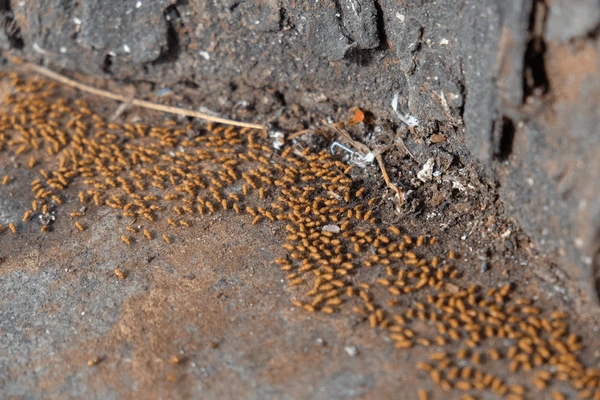
Wondering why the monsoon tends to increase pest problems in your home or workspace? Learn how humidity, warmth, and poor sanitation attract unwanted pests and how timely prevention can help — with insights from a reputed Pest Control Company.
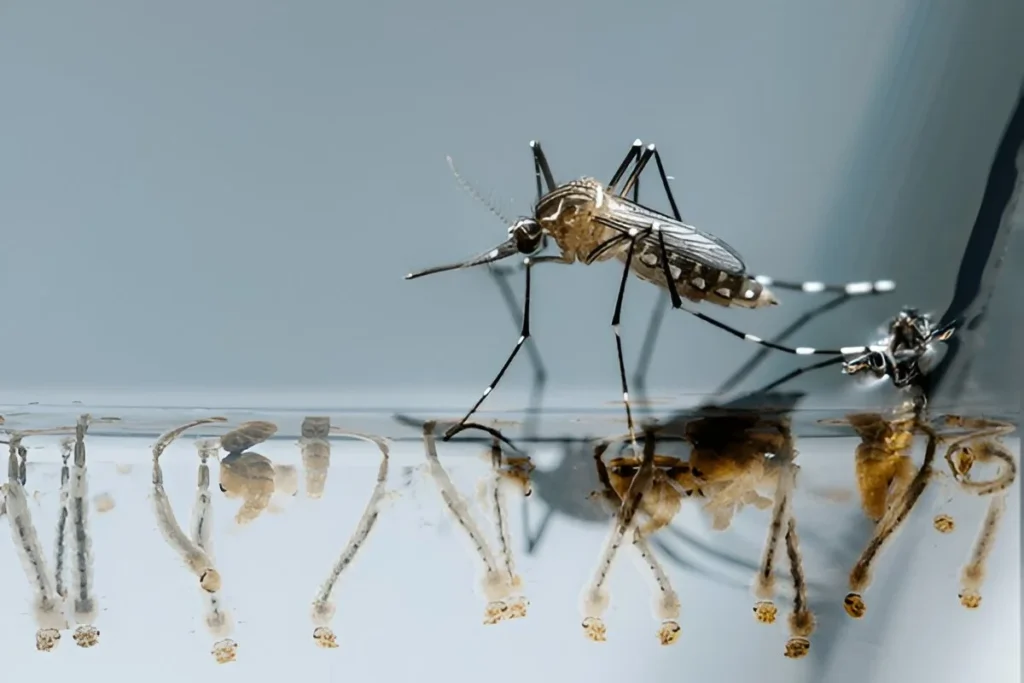
The monsoon season brings a refreshing break from the scorching summer heat — lush greenery, cool breezes, and the rhythmic sound of rain. But along with this natural beauty comes an unwelcome guest: pests. Whether it’s ants marching across the kitchen counter, mosquitoes buzzing near the window, or termites silently damaging furniture, the rainy season is a time when pest activity spikes dramatically.
Have you ever wondered why this happens? What makes pests thrive during the monsoon months? Let’s uncover the science behind it and how you can protect your home and health effectively.
Pests — from mosquitoes and cockroaches to termites and rodents — are heavily influenced by environmental factors. The monsoon provides a perfect blend of warmth, moisture, and shelter that encourages their growth and reproduction.
Here’s what happens during this season:
Essentially, the rainy season transforms your environment into a pest-friendly habitat, explaining why the monsoon tends to increase pest problems almost everywhere.

Most pests require water to survive and reproduce. The combination of high humidity and mild temperature accelerates their life cycle.
This explains why homes suddenly see an infestation after a few rainy days.
Monsoon rains often lead to waterlogging in and around residential areas. Stagnant water not only attracts insects but also serves as an entry point for disease vectors.
For instance:
If not addressed, this continuous influx can significantly increase pest problems during and after the monsoon.
The damp weather accelerates the decay of organic materials. If garbage bins aren’t cleaned regularly, or if leftover food is left exposed, it becomes an open invitation to pests.
Common culprits include:
Good sanitation practices and timely waste disposal are crucial for prevention.
Rainwater often seeps into walls, ceilings, and cracks, weakening structures and creating new openings. These damp crevices attract termites, ants, and other pests that prefer dark, moist environments.
Regular inspection of:
…can help identify vulnerabilities before infestations become severe.
Monsoon encourages plant growth — which, while beautiful, also provides hiding spots for pests. Overgrown gardens or potted plants retain moisture and attract mosquitoes, spiders, and even snakes.
To minimize risks:
This simple maintenance can help curb pest breeding around your property.
Here’s a quick overview of pests that become most active during the rainy season:
Each of these pests thrives for a reason — and without proper preventive measures, their numbers can skyrocket in no time.
Being proactive is key to minimizing pest activity during the monsoon. Here are some practical, expert-recommended strategies:
Even with strict hygiene, some infestations can’t be fully avoided. Regular pest inspection and treatment from experts ensure that breeding sources are eliminated before they spread.

Ignoring pest control during monsoon doesn’t just risk property damage — it directly affects health and hygiene.
Diseases commonly transmitted during this season include:
Maintaining a pest-free environment not only safeguards your home but also protects your family’s well-being.
While DIY methods can help temporarily, professional intervention ensures long-term control. Experts use eco-friendly treatments, advanced tools, and integrated pest management techniques to target pests at every life stage.
Whether it’s termite prevention, rodent control, or mosquito fogging, experienced professionals understand seasonal pest behavior and design tailored strategies to prevent recurring infestations.
This is where trusted experts like Pestonix, recognised as the Best Pest Control Company in Kolkata, play a vital role — combining science, safety, and sustainability to protect both homes and businesses.

Q1. Why do pests multiply faster during the monsoon?
The rainy season provides moisture, warmth, and shelter — ideal conditions for breeding. Standing water and damp corners become hotspots for insects and rodents.
Q2. How can I prevent mosquito breeding during monsoon?
Avoid stagnant water in containers, plant pots, and drains. Use mosquito nets, natural repellents, and regularly clean your surroundings.
Q3. Are home remedies enough to stop monsoon pests?
Home remedies may reduce minor infestations but aren’t enough for long-term control. Professional pest management ensures complete eradication.
Q4. How often should pest control be done during monsoon?
Ideally, once before the monsoon begins and once during the peak season to ensure full coverage and prevent re-infestation.
Q5. What are the first signs of a pest infestation?
Unusual droppings, bite marks on furniture, flying insects, and a musty odor often indicate pest presence. Early action prevents escalation.
The monsoon may bring freshness to the air and greenery to the land, but it also opens doors to hidden pest activity. Understanding why the rains increase pest problems allows you to take preventive steps before infestations start.
With timely inspections, proper sanitation, and expert care, you can ensure that this season remains a time of comfort — not concern.
Suppose you ever feel the need for professional assistance. In that case, Pestonix continues to stand for reliability and eco-conscious pest management solutions, ensuring your home stays safe, clean, and pest-free all year long.

20.04.2026
01.04.2026